

Best Light Roast Beans for Pour Over
Table of Contents
- Best Light Roast Beans for Pour Over: Quick Comparison
- Tanzania: Bright, Floral Light Roast
- Ethiopia Natural: Sweet Chocolate and Fruit Notes
- Kenya: High Acidity and Citrus Brightness
- Light Roast Pour Over Recipe: Brewing Method and Ratios
- Pour Over Coffee Grind Size: Getting Extraction Right
- Freshness, Roast Date, and Storage
- Best Coffee Beans for Pour Over by Flavor Preference
- Frequently Asked Questions
Last Updated: October 21, 2026
Best Light Roast Beans for Pour Over: Quick Comparison
Choosing the best light roast beans for pour over comes down to your brewer and the flavors you want.
At God's Country Coffee Co., we've seen home baristas struggle because most guides treat light roasts as interchangeable. They're not. A naturally processed Ethiopian behaves differently in a Chemex than a washed Kenyan, and water temperature matters more than most people realize.

| Bean Origin | Roast Level | Tasting Profile | Best Dripper | Acidity | Price |
|---|---|---|---|---|---|
| Tanzania | Medium-light | Pear, floral, jasmine, strawberry | V60, Pour Over | Balanced | $23.99 |
| Ethiopia Natural | Med-light | Milk chocolate, fruity, caramel | Chemex, Kalita Wave | Bright | $23.99 |
| Kenya | Light | Bright acidity, orange, lemon, floral | V60, Origami | High | $23.99 |
Tanzania: Bright, Floral Light Roast
The Tanzania from our collection sits at medium-light roast, retaining origin character while developing just enough body for clean extraction. It leans floral with jasmine and strawberry notes, plus a subtle pear sweetness that emerges as the cup cools.

Roast date matters enormously: freshly roasted light roasts hit their sweet spot 5-7 days after roasting, when CO2 has mostly released but the surface hasn't oxidized.
This origin pairs well with water around 195-200°F. Too hot and the florals flatten; too cool and you'll pull thin, sour notes.
Ethiopia Natural: Sweet Chocolate and Fruit Notes
The Ethiopia Natural from God's Country Coffee Co. is a med-light roast processed using the natural method, meaning the fruit was dried on the bean. This creates chocolate, fruity, and caramel notes that sit between light and medium roasts in body and sweetness.
Natural-processed coffees behave differently in pour over than washed ones. The fruit layer creates a thicker body, so you need slightly hotter water and a bit more brew time.
Brew this at 200-205°F in a Chemex or Kalita Wave for maximum sweetness. The pour-over method's extended contact time works beautifully with the bean's natural body.
Kenya: High Acidity and Citrus Brightness
Kenya from our lineup brings high acidity, bright orange and lemon notes, and a floral, effervescent character.

High-acidity beans like Kenya demand precision. The acidity is natural, from origin, altitude (1,700-1,890M), and processing, not under-extraction or stale beans.
This bean shines in a V60 or Origami dripper where you control the pour rate. The bright acidity needs space to express itself without getting muddied by long contact times.
Light Roast Pour Over Recipe: Brewing Method and Ratios
Each bean above responds differently to dose, temperature, grind, and pour schedule, so below are tailored recipes. Use them as starting points, then adjust one variable at a time.
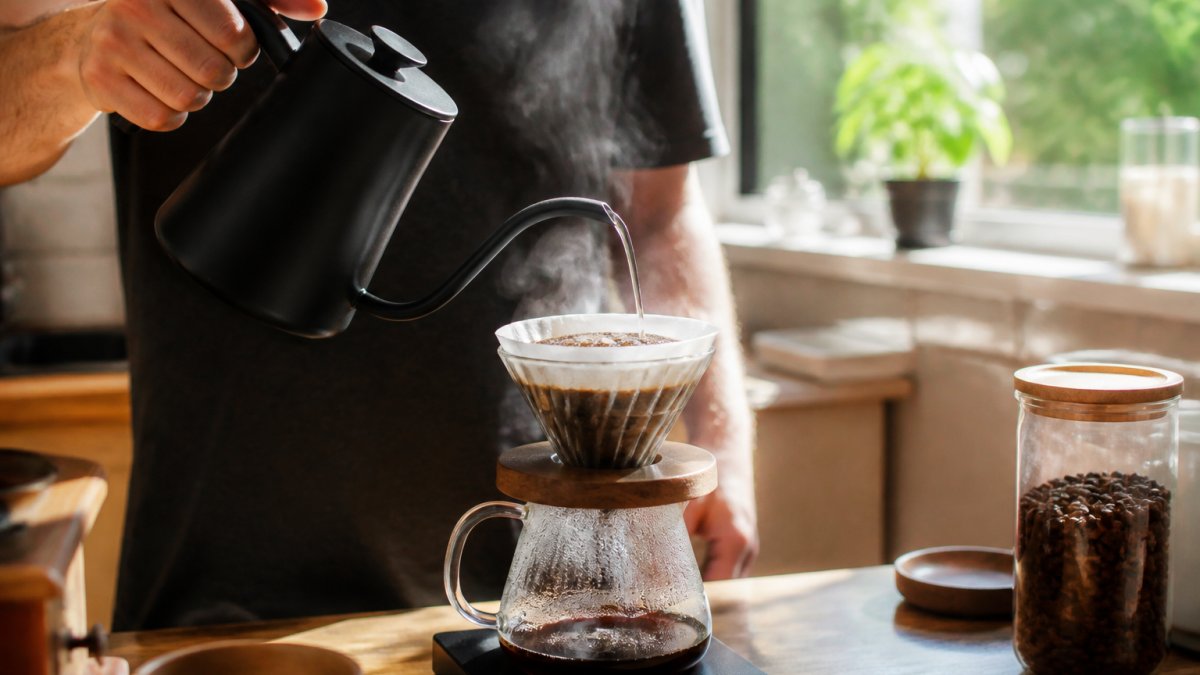
Tanzania: V60 Recipe for Floral Clarity
- Dose: 15 g coffee
- Water: 240 g at 197-200°F (92-93°C)
- Grind: Medium-fine, roughly 18-20 clicks on a Comandante or a setting just coarser than table salt
This schedule keeps contact time moderate so the jasmine and pear notes stay lifted rather than stewed. If the cup tastes hollow, tighten the grind by one notch; if it turns bitter, coarsen slightly.
Ethiopia Natural: Chemex Recipe for Sweetness and Body
- Dose: 30 g coffee
- Water: 480 g at 200-205°F (93-96°C)
- Grind: Medium, roughly 22-24 clicks on a Comandante or a setting like coarse sea salt
The thicker Chemex filter and longer contact time pull out the brown-sugar and dried-fruit sweetness that defines this bean. If the cup tastes thin, raise water temperature by 2°F before changing grind.
Kenya: Origami or V60 Recipe for Bright Acidity
- Dose: 15 g coffee
- Water: 240 g at 197-202°F (92-94°C)
- Grind: Medium-fine, roughly 19-21 clicks on a Comandante
Kenya's high acidity needs a slightly faster brew to stay vivid rather than sharp. If the cup tastes sour, grind finer by one notch; if it tastes flat, coarsen and shorten the final pour.
Adjusting Any Recipe to Your Gear
These recipes assume a burr grinder and a scale. If your grinder produces more fines (common with entry-level burr sets), start one notch coarser and extend the bloom to 50 seconds. If your kettle pours fast, slow the spiral and expect drawdown 15-30 seconds later. Aim for a total brew time within the target window; taste is the final arbiter, not the clock.
Beyond Pour Over: Other Brewers
Light roasts also work well in a Kalita Wave (flatter bed, even extraction, forgiving of technique), an AeroPress (shorter contact, brighter cup, 1:14 and 90-second steep), and a French press (coarser grind, 4-minute steep, more body and less clarity). When comparing a bean across brewers, keep dose and ratio constant and change only grind and contact time.
Pour Over Coffee Grind Size: Getting Extraction Right
Grind size is your most powerful lever for controlling extraction, but not the only one. Light roasts need a medium-fine grind, finer than drip but not as fine as espresso, and the right setting depends on your dripper, burr geometry, and water. The goal is to slow water's passage just enough to extract the good flavors without pulling the harsh ones.
Grind Size by Dripper
- V60: Medium-fine, roughly 18-21 clicks on a Comandante or a setting like table salt. The conical shape and large single hole reward a slightly finer grind because flow is controlled by your pour.
- Chemex: Medium, roughly 22-24 clicks. The thick paper filter slows flow, so a coarser grind prevents over-extraction and long drawdowns.
- Kalita Wave: Medium-fine, roughly 19-22 clicks. The flat bed and three small holes are forgiving; start medium-fine and adjust for drawdown time.
The Drawdown Test
A practical check: if your brew finishes under 2:30, your grind is likely too coarse for a light roast. If it takes longer than 4:30 on a V60 or 5:00 on a Chemex, it's too fine. Adjust in one-notch increments; most grinders have 15-20 settings, and a single notch makes a noticeable difference. Change only grind between brews so you can attribute the taste difference correctly.
Water Chemistry and Troubleshooting
Grind size alone won't fix a sour, thin, or muted cup. Water composition matters as much as grind for light roasts, which have less roast development to buffer against poor extraction.
- Sour or thin cup: Usually under-extraction. First check water temperature (aim 197-205°F depending on bean), then grind finer by one notch, then extend brew time by 15 seconds. If the cup is still sour after all three, your water may be too soft (low mineral content), which reduces extraction efficiency. A common fix is a remineralization packet or a brewing water with moderate hardness.
- Bitter or dry finish: Usually over-extraction. Coarsen grind by one notch, lower water temperature by 2-3°F, or shorten the final pour. If bitterness persists across grind settings, your water may be too hard, which can pull harsh compounds.
- Muted or flat cup: Often a water issue rather than grind. Very low-mineral water produces flat, hollow coffee; very high-mineral water mutes acidity and aroma. Most practitioners find that water with moderate hardness and some alkalinity buffers acidity without flattening it.
Whole Beans and Grind Freshness
Whole beans are non-negotiable. Pre-ground coffee loses aromatics within hours and oxidizes immediately. Grind just before brewing with a burr grinder, not a blade grinder, which creates uneven particles and inconsistent extraction. If the same bean tastes identical at two grind settings, your grinder is producing too many fines to respond to adjustment, a sign to upgrade or sift.
Freshness, Roast Date, and Storage
The roast date on your bag matters more than the expiration date. Light roast beans peak 5-14 days after roasting, depending on origin and processing.
Check the roast date before you buy.
Store beans in an airtight container at room temperature, away from heat, light, and moisture. A sealed bag with a one-way valve works fine. Whole beans stay fresh for 3-4 weeks after roasting.
Best Coffee Beans for Pour Over by Flavor Preference
Bright and Acidic
For clarity and complexity, Kenya is your choice. The high acidity isn't a flaw, it's a feature. High-altitude, washed East African coffees naturally have brighter acidity that shines in pour over.
Brew Kenya at 199-202°F with a medium-fine grind and 1:16 ratio. The brightness will cut through milk if you take it that way, or shine on its own as a black coffee.
Balanced and Smooth
Tanzania splits the difference between brightness and body. The medium-light roast and washed processing create a balanced cup, not as sharp as Kenya, not as sweet as Ethiopia Natural. Pear and floral notes provide complexity without demanding perfect technique.
Use 197-200°F water and a medium-fine grind. Tanzania forgives small mistakes better than the other origins because its flavor profile is naturally forgiving.
Fruity and Complex
Ethiopia Natural delivers sweetness and body while maintaining origin character. The natural processing and med-light roast create milk chocolate, fruity, and caramel notes that feel almost dessert-like.
Brew at 200-205°F, on the warmer side to extract the full body. The sweetness emerges as the cup cools, so don't judge it while it's still hot.
Selecting the best light roast beans for pour over means matching origin, roast level, and brewing variables to your taste and equipment. Our Tanzania, Ethiopia Natural, and Kenya selections each bring distinct flavor profiles, start with the one that matches your preference, dial in grind size and water temperature, and adjust from there. Find Your Perfect Roast and experience how freshly roasted, carefully sourced beans transform your morning brew.
Frequently Asked Questions
What makes light roast beans better for pour over than darker roasts?
Light roast beans retain more origin characteristics and acidity, which pour-over brewing methods highlight beautifully. The slower extraction rate of pour-over techniques draws out the complex, bright flavors that light roasts preserve. Darker roasts tend to emphasize body and roasted notes, which can become flat or bitter with pour-over's precise water contact. Light roast beans showcase the coffee's terroir, origin region, and processing method, exactly what pour-over drinkers seek.
How fresh should coffee beans be for pour over?
Ideally, brew within 2-4 weeks of the roast date. Light roast beans reach peak flavor 5-7 days after roasting, once degassing is complete. Beans older than 6-8 weeks begin losing brightness and complexity. God's Country Coffee Co. roasts to order, so your beans arrive at peak freshness. Always check the roast date on the bag and store in an airtight container away from heat and light to preserve those delicate light roast flavors.
What is the best pour over coffee grind size for light roasts?
Use a medium-fine grind, slightly finer than drip coffee but coarser than espresso. This grind size allows water to extract the bright acidity and complexity of light roasts without over-extraction or sourness. Grind consistency matters as much as size, aim for uniform particles. If your brew tastes sour, try a slightly finer grind to increase contact time. If it tastes bitter, go coarser. A burr grinder gives you the control needed for pour-over precision.
What is the coffee-to-water ratio for pour over?
Start with a 1:16 ratio: 1 gram of coffee to 16 grams of water. For example, 25 grams of beans to 400 grams of water. This ratio works well for most light roasts and pour-over methods including V60, Chemex, and Kalita Wave. Adjust to taste: use slightly less water (1:15) for a stronger, more concentrated cup, or more water (1:17) for a lighter, more delicate brew. Consistency with your ratio helps you dial in the perfect extraction.
Are light roast beans good for pour-over coffee?
Yes, light roast beans are ideal for pour-over brewing. Pour-over's controlled, slower extraction rate brings out the brightness, acidity, and nuanced flavor notes that define light roasts. Single-origin light roasts shine with pour-over methods because the technique preserves the coffee's origin characteristics, processing method, and terroir. Kenya, Ethiopia, and Tanzania light roasts are particularly well-suited to pour-over, where their floral, fruity, and citrus notes become fully apparent.