

How to Tell If Coffee Beans Are Fresh: 2026 Guide
Table of Contents
- How to Tell If Coffee Beans Are Fresh: Visual and Sensory Signs
- How Long Do Coffee Beans Stay Fresh After Roasting
- What Does Stale Coffee Taste Like
- Reading the Coffee Bean Roast Date on Packaging
- How to Store Coffee Beans to Maintain Freshness
- Freshness Differences Across Brewing Methods
- Common Mistakes When Assessing Bean Freshness
- Frequently Asked Questions
Last Updated: October 10, 2026
How to Tell If Coffee Beans Are Fresh: Visual and Sensory Signs
Knowing how to tell if coffee beans are fresh is the difference between a cup that sings and one that tastes flat. Fresh beans deliver bright acidity, complex flavor, and that rich aroma that makes mornings better. Stale beans taste dull and bitter. The good news: you don't need special equipment to spot the difference.
At God's Country Coffee Co., we roast to order specifically because freshness matters that much. When beans leave our roaster, they're at their peak. But even the best beans fade if you don't know what to look for or how to store them.
Here's what fresh coffee beans actually look like and how they smell and taste.
The Oily Surface Test
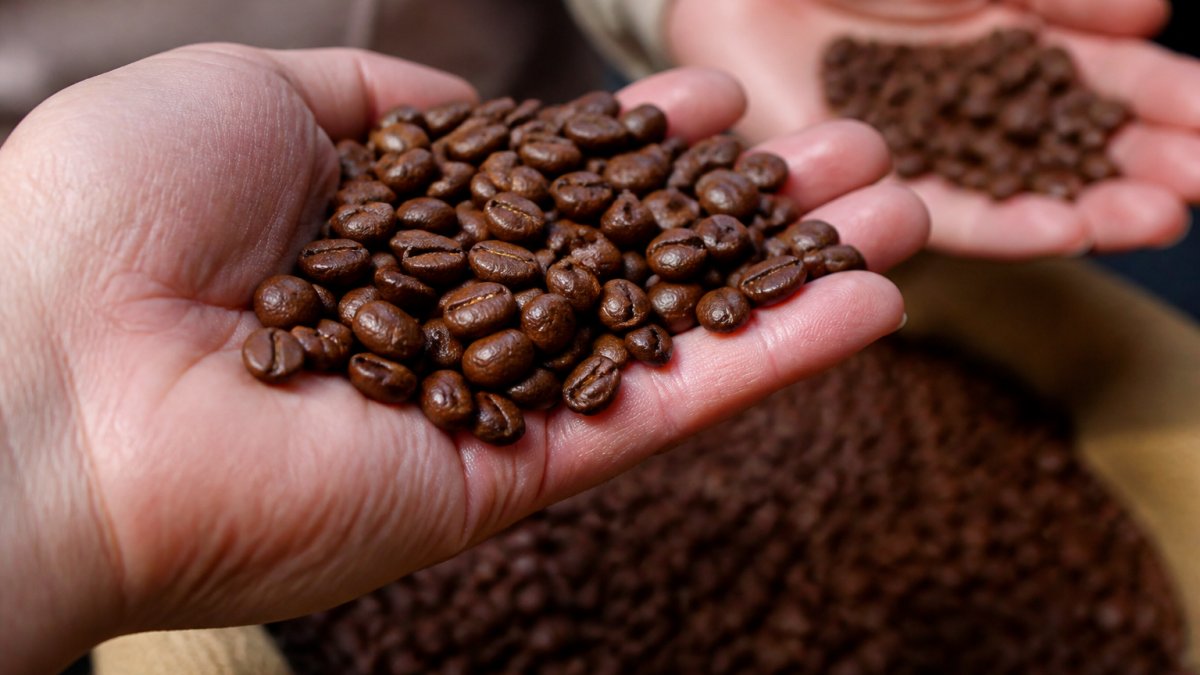
Fresh roasted beans develop a light sheen on their surface within the first few days. This isn't a flaw. It's carbon dioxide (CO2) escaping through the bean's pores.
Look for beans with a matte or lightly oiled finish. They should have color depth, not pale or washed out. Medium roasts show chocolate brown. Dark roasts look nearly black. Light roasts have a richer tan than pale beans.
Beans that look completely dry and dull have lost moisture and flavor compounds. Very oily beans that feel slick to the touch have been sitting too long after roasting. The sweet spot is somewhere in between.
The Aroma and Taste Check
Smell the beans. Fresh coffee has a strong, pleasant aroma. You should notice chocolate, fruit, caramel, or floral notes depending on the origin. The smell should be inviting, not musty or flat.
Open a bag and take a deep breath. If the aroma is faint or smells stale, the beans have lost their volatile compounds. Stale coffee smells like old cardboard or tastes papery.
Brew a small cup. Fresh beans taste bright and clean. You'll notice the specific flavor profile the roaster intended. Stale coffee tastes muted, one-dimensional, sometimes bitter.
The Bubble Test (Bloom Indicator)
When you pour hot water over fresh grounds, they bubble and foam. This is the bloom. CO2 escapes as the water first contacts the grounds. The bloom happens quickly and vigorously with fresh beans.
Older beans bloom slowly or barely at all. This simple visual tells you whether the beans still have active gas release happening.
How Long Do Coffee Beans Stay Fresh After Roasting
Coffee beans stay fresh for about four weeks after roasting. Peak flavor happens in the first two to four weeks. After that, the beans are still usable but lose brightness and complexity.
This timeline assumes proper storage in an airtight container away from light and heat. Different storage methods and roast levels change how quickly beans fade.
Peak Flavor Window
The first week after roasting, beans are still degassing heavily. Espresso shots can taste sour or pull too fast because the CO2 is interfering with extraction. Drip coffee and French press brewing work better in week one.
By week two through week four, the degassing has slowed. The beans have reached peak flavor balance. This is the sweet spot for all brewing methods. The flavors are fully developed. The acidity is bright but balanced.
Many specialty coffee enthusiasts prefer beans between day 7 and day 21 after roasting. This is when you get the best combination of flavor complexity and extraction stability.
Degassing and Carbon Dioxide Release
Degassing is the process of CO2 leaving the beans after roasting. This happens for weeks, but most of it occurs in the first few days. As gas escapes, the bean's structure changes. Flavors develop and stabilize.
Fresh beans feel slightly puffy because they're still full of gas. Over time, they become denser as the CO2 leaves. This density change affects how water flows through the grounds during brewing.
Vacuum-sealed bags slow degassing because the bag traps some CO2. Once you open the bag, degassing accelerates. This is why opened packages lose freshness faster than unopened ones.
Beyond Peak: Usable vs. Stale
After four weeks, beans are past peak but still drinkable for another month or two if stored well. The flavors become muted. Acidity fades. The cup tastes flatter and less interesting.
By three months after roasting, most beans taste noticeably stale. The aroma is weak. The taste is one-dimensional. You're drinking coffee that's past its prime.
Six months or older, beans have oxidized significantly. They taste hollow and bitter. Storage conditions matter, beans in a cool, dark place last longer than those exposed to light and heat.
What Does Stale Coffee Taste Like
Stale coffee tastes flat, bitter, and hollow. The brightness is gone. You lose the fruity, chocolatey, or floral notes that made the coffee interesting. What's left is a dull, one-dimensional cup.
Flavor Degradation Over Time
Fresh coffee has layers. You might taste chocolate in the first sip, then berry, then caramel as the cup cools. Stale coffee tastes the same from start to finish. Flat. Boring.
Stale beans also taste bitter more easily. The compounds that create bitterness become more prominent as fresher, brighter flavors fade. This is why old coffee often tastes harsh, even if it's brewed correctly.
The aroma is weak. When you open a bag of stale beans, there's barely a smell. Compare that to fresh beans, which hit you with a strong, inviting scent immediately.
Espresso Extraction Changes with Age
Espresso is sensitive to bean age. Fresh beans (7-14 days old) pull shots that taste sour or salty because CO2 is still escaping. This interferes with water flow through the grounds.
Beans at peak (2-4 weeks) pull balanced shots. The extraction is smooth. The flavor is clean and complex.
Stale beans (8+ weeks) pull shots that taste thin and bitter. The extraction is uneven because the beans are denser and less permeable. Water channels through them unpredictably. You get over-extracted bitter notes mixed with under-extracted sour ones.
Reading the Coffee Bean Roast Date on Packaging
The roast date is the most important number on a bag of coffee. It tells you exactly when the beans were roasted. This is your baseline for freshness.
Look for a printed date on the front or back of the bag. The format varies, some bags show "Roasted: October 3, 2026" and others use shorthand like "10/3/26."
Understanding Roast Date vs. Best-By Date
A roast date is precise. A best-by date is a guess. The roast date is what matters.
Single Origin Favorites Sample Pack →
Best-by dates are often printed 6-12 months after roasting, which is marketing. It tells you when the company thinks the coffee will start to taste noticeably stale, not when it becomes unsafe to drink.
Roast date tells you the actual timeline. If you see a bag roasted three months ago, you know the beans are past their peak. If the roast date is this week, you're getting fresh coffee.
What Roast Date Tells You About Freshness
A roast date within the last two weeks means the beans are fresh and in or approaching peak flavor. This is ideal.
A roast date within the last month means the beans are still good. They're past the peak window but still taste noticeably fresh.
A roast date older than six weeks means the beans are stale. They'll still make drinkable coffee, but you're not getting the best experience.
If there's no roast date on the bag, that's a red flag. The roaster doesn't want you to know how old the beans are. Avoid those bags.
How to Store Coffee Beans to Maintain Freshness
Storage is half the battle. Even fresh beans turn stale fast if you store them wrong. The enemies are light, heat, air, and moisture.
Airtight Containers and Vacuum-Sealed Bags
An airtight container keeps oxygen out and keeps CO2 from escaping too quickly. Glass or ceramic containers with a tight seal work well. Avoid clear containers, light degrades beans.
Vacuum-sealed bags are excellent for long-term storage. They remove most air and slow oxidation dramatically. Once you open the bag, transfer the beans to an airtight container.
Never store beans in the original bag if it's not resealable. Never use a paper bag. Paper lets air in and doesn't protect against light.
Temperature, Light, and Air Exposure
Store beans in a cool, dark place. Room temperature is fine, you don't need a refrigerator or freezer unless you're storing beans for months. Heat speeds up staling. Light breaks down flavor compounds.
A dark cupboard or pantry is perfect. Avoid the kitchen counter where sunlight hits. Avoid above the stove where heat rises.
Keep the container sealed. Every time you open it, fresh air gets in and CO2 escapes. Open the container only when you're grabbing beans to grind.
Opened vs. Unopened Packages
An unopened, sealed bag stays fresh much longer than an opened one. Once you break the seal, degassing accelerates and oxidation begins.
Use opened bags within two to three weeks. Transfer unopened bags to airtight containers as soon as you open them.
If you buy in bulk, vacuum-seal smaller portions. Use one portion at a time and keep the rest sealed. This keeps the bulk of your supply fresh while you're working through the current bag.
Freshness Differences Across Brewing Methods
Different brewing methods handle stale beans differently. Espresso is the most sensitive. Drip coffee is more forgiving.
Espresso needs fresh beans (within four weeks) to pull balanced shots. The pressure and precision of espresso magnify the problems stale beans create.
French press and cold brew are more forgiving. They can work with beans that are a few months old because the longer steep time extracts flavor even from older beans.
Pour-over sits in the middle. It works better with fresher beans but can still produce decent coffee with beans that are one to two months past roasting.
If you're serious about espresso, buy smaller quantities more often. If you're making drip coffee, you have more flexibility.
Common Mistakes When Assessing Bean Freshness
People often confuse oily beans with old beans. A light sheen on fresh beans is normal and good.
Another mistake is ignoring the roast date. Focusing on the best-by date instead of the roast date costs you weeks of freshness information.
Storing beans in the refrigerator or freezer is a common error. The moisture in the fridge condenses on the beans and damages them.
Buying too much at once is a budget mistake that costs flavor.
Finally, people underestimate how much storage matters. Even fresh beans turn stale in a week if stored in a clear container on the counter.
Fresh coffee beans are one of life's simple pleasures.
At God's Country Coffee Co., we roast to order so your beans arrive at peak freshness. Try our Single Origin Favorites Sample Pack to experience the difference fresh beans make.

Frequently Asked Questions
How can you tell when coffee beans were roasted?
Check the roast date printed on the bag, this is the most reliable indicator. Freshly roasted beans (within 2-4 weeks) show glossy surface oils, vibrant color, and strong aroma. You can also perform the bloom test: pour hot water over a small sample and watch for visible bubbles and CO2 release. Beans roasted more than 6 months ago will show minimal bloom and produce a flat, dull taste.
What does stale coffee taste like?
Stale coffee develops a flat, muted flavor with faded taste and lost complexity. You'll notice the aroma becomes dull instead of fragrant. Espresso shots from old beans extract poorly and taste thin or bitter. If beans taste like cardboard or lack their original sweetness and body, they've lost freshness. Whole beans that are stale often have a papery or musty smell rather than the rich, inviting fragrance of fresh beans.
How long do coffee beans stay fresh after roasting?
Peak flavor occurs 4-14 days after roasting. Beans remain fresh for 2-4 weeks in an unopened, airtight container. For maximum freshness, order from roasters like God's Country Coffee Co. that roast to order and ship quickly.
How should you store coffee beans to keep them fresh?
Store beans in an airtight container away from heat, light, and oxygen. Vacuum-sealed bags or nitrogen-flushed packaging work best for unopened packages. Once opened, transfer to an airtight glass or ceramic container in a cool, dark cupboard, never the fridge or freezer, as moisture and temperature fluctuations degrade flavor. Keep away from direct sunlight and heat sources. Whole beans last longer than ground coffee, so grind just before brewing for maximum freshness and aroma.