

Best Single Origin Beans for Espresso
Table of Contents
- Why Single Origin Beans Matter for Espresso
- Single Origin vs Blend Espresso: Which Suits Your Shots
- Best Roast Level for Espresso: Light, Medium, or Dark
- Top Coffee Origins for Espresso and Their Flavor Profiles
- How to Choose Espresso Beans: Key Criteria and Selection Tips
- Freshness, Roast Date, and Storage for Maximum Flavor
- Dialing In Single-Origin Espresso: Grind, Dose, and Shot Time
- Frequently Asked Questions
Last Updated: October 18, 2026
Why Single Origin Beans Matter for Espresso
The best single origin beans for espresso deliver a distinct, traceable flavor profile that blends can't match. A shot of single-origin espresso expresses the terroir, altitude, soil, climate, and processing method of one region, making it the preferred choice for home baristas who want to understand what they're drinking and dial in with purpose.

Single-origin beans reveal how much your grind, dose, and extraction time matter. A blend masks inconsistencies; a single origin shows every variable in the cup.
The difference matters most when you're experimenting. A medium roast from Ethiopia tastes fundamentally different from a medium roast from Brazil: one gives bright, fruity notes, the other smooth, chocolatey sweetness. Once you taste that, generic blends feel flat.
Single Origin vs Blend Espresso: Which Suits Your Shots
A blend combines beans from multiple origins to create a consistent, balanced profile year-round. A single-origin espresso comes from one farm or region and changes with each harvest. The choice depends on what you value: consistency or complexity.
Blends excel when you want predictability. Roasters balance acidity, body, and sweetness to hit a target flavor every time. For milk drinks like cappuccinos, lattes, and flat whites, a blend often works better because milk softens individual character anyway, and its structure holds up under milk and heat.
Single-origin shines when you want to taste the coffee itself. A washed Ethiopian shows floral, fruity notes that disappear in a blend, as do a natural-process Kenyan or a wet-hulled Sumatran. Single-origin espresso is the vehicle for experiencing those distinct personalities.
For milk drinks, choose a blend if you prioritize smoothness and body; for straight shots, single-origin gives you more to explore. Many home baristas keep both on hand.
Best Roast Level for Espresso: Light, Medium, or Dark
Roast level changes how a bean behaves in the machine and what flavors you extract. Light roasts preserve origin character and acidity; medium roasts balance origin flavors with roasted sweetness; dark roasts emphasize body and bitterness, masking origin differences.
For single-origin espresso, medium roast is the most forgiving starting point: it retains enough origin character to taste interesting while adding enough roasted body for clean, balanced shots. Light roasts demand precise technique and tighter grind and dose tolerances; dark roasts suit milk drinks but often taste bitter or ashy in straight shots.
That said, origin matters more than roast level. A light-roasted Brazilian won't taste like a light-roasted Ethiopian: origin sets the baseline flavor, and roast level adjusts how prominent it becomes. Light roasts let the origin speak loudest; dark roasts muffle it.
If you're new to single-origin espresso, start with medium roast. Once you understand your machine, try light roasts from bright origins like Ethiopia or Kenya, and save dark roasts for milk-heavy drinks.
Top Coffee Origins for Espresso and Their Flavor Profiles
Different origins deliver distinct flavor profiles shaped by altitude, soil, processing method, and climate. Understanding these differences helps you match beans to your taste and equipment.
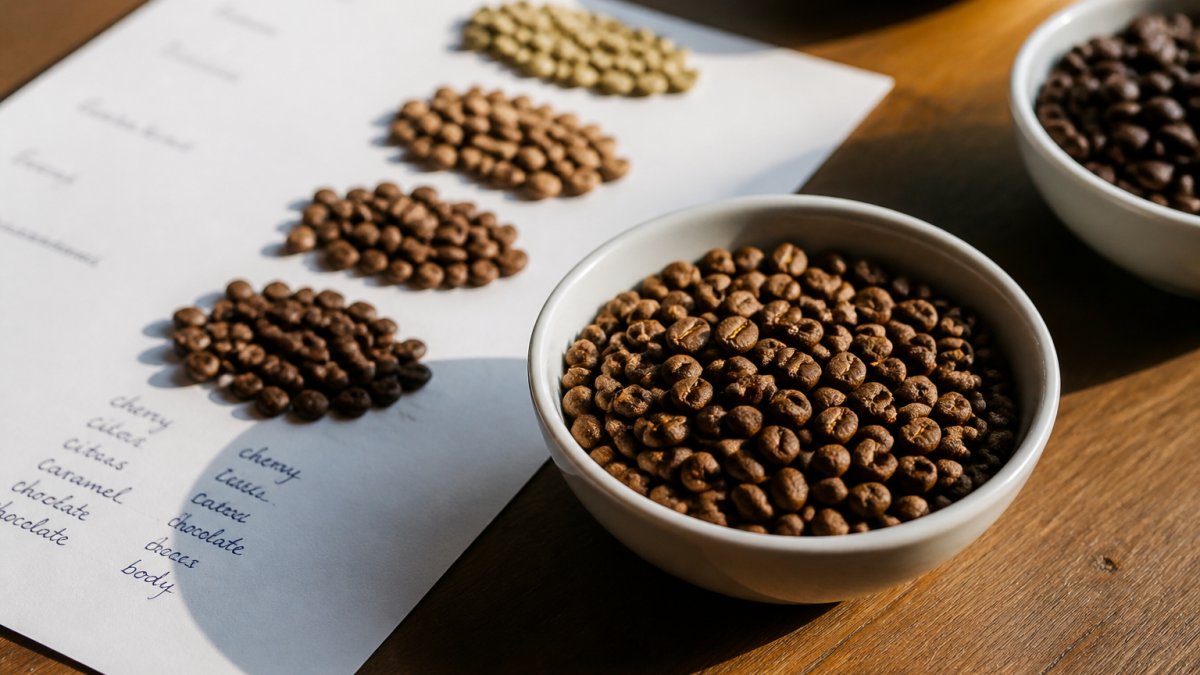
African Origins: Bright Acidity and Fruit Notes
Ethiopian coffee is the origin most people encounter first when exploring single-origin espresso. Beans from Sidama deliver bright acidity, fruity sweetness, and floral aromatics, with milk chocolate, caramel, and berry notes; natural processing adds fruitiness that washed coffees lack.
God's Country Coffee Co.'s Ethiopia comes from smallholder farmers in the Sidama zone at 1,700-1,900 meters. Natural processing and hand sorting preserve its delicate fruit character.
Kenyan coffee brings similar brightness with different fruit notes: pear, jasmine, and strawberry. Its higher acidity than Ethiopian means careless grind and dose can pull sour shots.
Tanzanian coffee splits the difference: moderate acidity, light body, and subtle fruit. Less intense than Kenya or Ethiopia but still distinctly African, it's a solid choice if you want brightness without the bite.
Central and South American Beans: Balanced and Smooth
Colombian coffee is the workhorse of Central and South American espresso, delivering dried orange, berry, and chocolate notes with balanced acidity and medium body. It's forgiving to dial in: less acidic than African origins, more interesting than many Brazilian beans.

God's Country Coffee Co.'s Colombia comes from smallholder farmers in Medellin at 1,300-1,500 meters. Fully washed processing and solar drying create a clean, bright cup without natural-process fruitiness.
Guatemalan coffee brings darker chocolate, bright fruit, and butterscotch notes. Beans from Antigua sit at 1,200-1,616 meters on volcanic soil, adding complexity.
Costa Rican coffee tastes sweet, of apple, raisin, and honey, with lower acidity than Colombian.
Brazilian coffee is smooth, chocolatey, and full-bodied. Brazil Santos, the most common Brazilian espresso bean, delivers cocoa notes and elegant sweetness with lower acidity and softer body than Central American origins.
Peruvian coffee occupies a middle ground: salted caramel, silky sweetness, and citrus notes. Grown at 1,100-1,700 meters on clay mineral soil and gully-washed and sun-dried, it has a balanced profile.
Indonesian Coffee: Full Body and Earthy Character
Indonesian coffee, particularly from Sumatra, is processed differently than African or Central American beans. The wet-hulling method (giling basha) creates a distinctive profile: syrupy body, dark chocolate, dried fruit, and earthy character, with medium acidity and a long, lingering finish.
Sumatran coffee is bold and unconventional. If you like espresso heavy in the cup and earthy rather than fruity, Sumatra delivers; wet-hulling adds body other methods don't achieve, and the earthy character stands up to milk in milk drinks.
Single Origin Favorites Sample Pack →
Papua New Guinea coffee shares Indonesian characteristics, caramel, honey, and fruit, but with lighter body and more balance. It's a solid middle ground if you want something different from the usual African-Central American rotation without Sumatra's bold earthiness.
Uganda brings mild acidity, light body, and floral, chocolate, and dark fruit notes. Fully washed and sun-dried processing creates a clean cup.
Mexican coffee delivers chocolate, cinnamon, and green apple notes. Grown at 900-1,000 meters in Chiapas and Oaxaca, it has lower acidity and softer body.
How to Choose Espresso Beans: Key Criteria and Selection Tips
Choosing the best single origin beans for espresso comes down to three things: flavor preference, roast date, and your equipment's capabilities.
Start with flavor. Do you prefer bright, fruity espresso or smooth, chocolatey espresso? African origins lean bright. Brazilian and Indonesian origins lean smooth. Central American origins split the difference. Your preference determines which origin to try first.
Next, check the roast date. Freshness matters more for espresso than for drip coffee because espresso extraction happens fast, usually 25-30 seconds. Beans roasted more than 4 weeks ago start losing aromatics and complexity. Beans roasted less than 5 days ago are often still degassing and can be harder to dial in. Aim for beans roasted 1-2 weeks before you brew them.
Consider your equipment. A high-end espresso machine with excellent temperature stability can handle light roasts and bright origins. A basic machine works better with medium roasts and forgiving origins like Brazil or Guatemala. If you're not sure, start with a medium roast from a balanced origin like Colombia or Costa Rica.
| Origin | Flavor Profile | Acidity Level | Best For | Roast Level |
|---|---|---|---|---|
| Ethiopia | Fruity, floral, chocolate | Bright | Straight shots, exploration | Light to medium |
| Kenya | Pear, jasmine, berry | High | Experienced dialing-in | Light to medium |
| Colombia | Orange, berry, chocolate | Balanced | Milk drinks and straight shots | Medium |
| Guatemala | Dark chocolate, fruit, butterscotch | Balanced | Milk drinks | Medium |
| Brazil | Cocoa, smooth, sweet | Low | Milk drinks | Medium to dark |
| Peru | Salted caramel, citrus, sweet | Balanced | Milk drinks and straight shots | Medium |
| Sumatra | Dark chocolate, earthy, fruit | Medium | Milk drinks | Medium to dark |
| Costa Rica | Apple, raisin, honey | Low to balanced | Milk drinks | Medium |
Freshness, Roast Date, and Storage for Maximum Flavor
The roast date is the most important number on a bag of espresso beans. It tells you exactly when the beans were roasted, which determines their freshness window.
Beans roasted less than 5 days ago are still releasing CO2 from the roasting process.
Beans roasted more than 4 weeks ago have started losing aromatics and complexity. They'll still make drinkable espresso, but you'll notice less aroma and less sweetness in the cup.
God's Country Coffee Co. roasts to order, which means your beans ship within days of roasting. This ensures maximum freshness when they arrive.
Store beans in an airtight container away from light, heat, and humidity. A sealed bag with a one-way valve works fine. Don't refrigerate or freeze beans unless you live in a very hot climate.
Grind beans immediately before brewing. Pre-ground coffee stales fast because grinding increases surface area. Whole beans stay fresh much longer. If you must buy pre-ground, use it within days.
Dialing In Single-Origin Espresso: Grind, Dose, and Shot Time
Dialing in means adjusting your grinder, dose, and other variables to pull balanced, delicious shots from your specific espresso machine and beans.
Start with grind size. Too coarse and water flows through too fast, you get sour, underextracted shots. Too fine and water flows too slowly, you get bitter, overextracted shots.
Next, dial in your dose, the amount of ground coffee you use per shot. A typical double shot uses 18-20 grams of ground coffee (Defining the Ever-Changing Espresso - 25 Magazine: Issue 3).
Shot time is how long water flows through the grounds, usually 25-30 seconds for a double shot. This timing emerges naturally once you've dialed in grind and dose. Don't chase a specific time; chase a balanced taste.
The key to dialing in single-origin espresso is tasting as you go. Pull a shot, taste it, identify the problem (sour or bitter), and make one small adjustment. This process reveals how much your technique matters.
Choosing the right single-origin beans for espresso is about understanding what you want to taste and having the freshness to taste it clearly. God's Country Coffee Co.'s carefully sourced, roasted-to-order beans give you exactly that, maximum freshness and distinct flavor from single origins across Africa, Central America, South America, and Indonesia. The Specialty Coffee Association defines single-origin coffee standards to help consumers identify authentic, traceable beans. Start with our Single Origin Favorites Sample Pack to explore six distinct origins in 2oz portions, then dial in your favorite.
Frequently Asked Questions
Can single-origin coffee beans make good espresso?
Yes. Single-origin beans produce excellent espresso shots with distinct flavor profiles that reflect their specific region, altitude, and processing method. Unlike blends, single-origin espresso lets you taste the unique characteristics of a specific coffee origin. Beans from Ethiopia offer fruity notes, while Brazilian coffees deliver smooth cocoa flavors. The key is matching the origin's natural profile to your espresso machine and dialing in grind, dose, and extraction time properly.
Which coffee origins are best for espresso?
The best origins depend on your flavor preference. African coffees like Ethiopia and Uganda bring bright acidity and fruit-forward notes ideal for straight shots. Central American beans from Guatemala and Costa Rica offer balanced sweetness and chocolate undertones. Indonesian coffees like Sumatra provide full body and earthy complexity for milk-based drinks. Brazilian Santos delivers smooth, cocoa-rich shots. Start with a sampler like God's Country Coffee Co.'s Single Origin Favorites Sample Pack ($24.99) to explore multiple origins and find your favorite.
What roast level is best for espresso?
Medium roasts are the most versatile for espresso, preserving origin flavors while developing enough body for extraction. Medium-dark roasts work well for milk drinks, creating bolder, more pronounced chocolate and caramel notes that cut through milk. Light roasts highlight acidity and fruit characteristics but require precise dialing in. Choose based on your preference: lighter for single-shot clarity, medium for balance, darker for milk-based espresso drinks.
How do you choose single-origin beans for an espresso machine?
Start by identifying your preferred flavor profile: fruity and bright (Ethiopian, Kenyan), balanced and sweet (Central American), or full-bodied and earthy (Indonesian). Check the roast date to ensure freshness within 2-3 weeks of purchase. Consider the roast level that matches your drink style: medium for straight espresso, medium-dark for lattes and cappuccinos. Look for beans with clear tasting notes and processing information. Test with smaller quantities before committing to larger purchases.
Are single-origin beans better than blends for espresso?
Single-origin beans offer distinct, traceable flavor profiles that showcase a specific coffee's unique characteristics, making them ideal for exploring different origins and dialing in shots. Blends combine multiple origins to create consistent, balanced flavors that work reliably across varying water quality and equipment. For home baristas experimenting with different tastes, single-origin beans provide more learning opportunities. For consistent, everyday espresso, blends may be more forgiving.