

Organic vs Non-Organic Coffee Beans: What Actually Matters
Table of Contents
- What Organic Coffee Means and How It Differs From Conventional Coffee
- Organic Coffee Certification: What It Guarantees and What It Doesn't
- Is Organic Coffee Healthier: Evidence and Health Claims
- Organic Coffee Taste: Does It Really Taste Different?
- Organic Coffee Price and Value: Is It Worth the Premium?
- Synthetic Pesticides and Chemical Fertilizers in Coffee Production
- Organic vs Non-Organic Coffee: Making Your Choice
- Frequently Asked Questions
Last Updated: October 12, 2026
What Organic Coffee Means and How It Differs From Conventional Coffee
Organic coffee comes from beans grown without synthetic pesticides, herbicides, or chemical fertilizers. When comparing organic vs non-organic coffee, the differences start in the soil and extend through every stage of cultivation. At God's Country Coffee Co., we work directly with farms that prioritize these distinctions because they shape not just how coffee is grown, but what ends up in your cup.
Conventional coffee farming relies on synthetic inputs to manage pests and boost yields. Organic farming takes a different approach, using natural methods like crop rotation, shade-growing, and biological pest control. These aren't just marketing terms, they reflect fundamentally different agricultural philosophies.
Organic certification and labeling
Organic certification means an independent third party has verified that a farm meets strict standards for how coffee is grown. The certifying body inspects the farm, reviews its practices, and confirms that no prohibited synthetic chemicals have been used for a minimum period (typically three years before certification).
A certified organic label tells you something concrete: the beans were grown according to documented standards. But certification doesn't guarantee everything you might assume. It doesn't certify taste, freshness, or even that the farm uses the most sustainable practices possible. It specifically confirms the absence of synthetic chemicals during cultivation.
How organic coffee is grown versus conventional farming
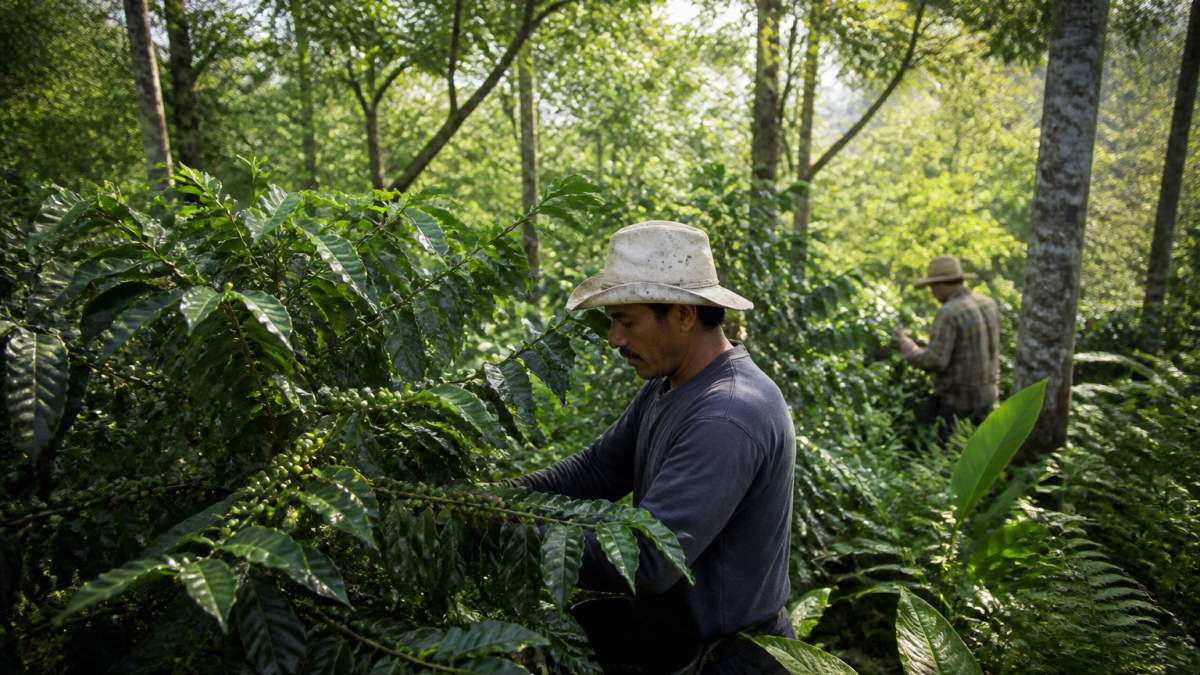
Organic farmers managing coffee use shade-growing techniques, where coffee plants grow under a canopy of larger trees. This approach maintains biodiversity, protects soil health, and reduces the need for chemical pest management.
Soil health differs markedly between the two systems. Organic farms build soil through composting, mulching, and crop rotation. Conventional farms rely on chemical fertilizers to replenish nutrients, which can degrade soil structure over time.
The processing of beans also varies. Some organic farms use eco-pulped methods that reduce water waste, while conventional operations may use more chemical-intensive processing. These differences accumulate across the supply chain.
Organic Coffee Certification: What It Guarantees and What It Doesn't
When you see "certified organic" on a coffee bag, you're looking at verification of growing practices. The certification confirms that the farm followed documented standards and passed inspection. But certification has clear boundaries, understanding them helps you make informed choices.
Inspection and standards across regions
Certification bodies conduct annual inspections and maintain detailed records of farm practices. In North America, the USDA sets the organic standard. In Europe, ECOCERT and other bodies manage certification. These standards align on core principles, no synthetic pesticides, no chemical fertilizers, but differ in specifics around allowed inputs and record-keeping requirements.
An inspector visits the farm, reviews soil samples, checks equipment for contamination, and verifies that banned substances haven't been used. The process is thorough but also finite. It captures whether a farm followed rules during the certification period; it doesn't measure every outcome.
What certification does not guarantee
Organic certification does not guarantee superior taste. A certified organic bean and a carefully managed conventional bean can taste equally good or equally poor depending on dozens of other variables, altitude, processing, roasting, freshness. Certification focuses on inputs, not flavor.
Certification also doesn't guarantee the highest environmental standards. An organic farm can still use significant water, contribute to deforestation, or treat workers poorly. Organic rules address chemical use; they don't set requirements for water conservation, biodiversity protection, or labor practices.
Freshness is another area certification doesn't control.
Is Organic Coffee Healthier: Evidence and Health Claims
People often assume organic coffee is healthier because it avoids synthetic chemicals. The relationship between organic coffee and health is more nuanced than marketing often suggests.
Antioxidants and nutritional differences
Coffee contains antioxidants regardless of whether it's organic or conventional. Both types deliver compounds like chlorogenic acid and polyphenols. The antioxidant content varies more based on bean variety, altitude, and roasting level than on whether the coffee is certified organic.
Research suggests that roasting intensity affects antioxidant levels more significantly than farming method. A lightly roasted bean retains more antioxidants than a dark roast, whether it came from an organic or conventional farm. If antioxidant content is your priority, roast level matters more than certification status.
Pesticide residues in brewed coffee
Pesticide residues in coffee are a common concern driving the organic preference. The relevant question is whether residues in brewed coffee reach levels that pose health risks. Coffee processing, roasting, grinding, brewing, removes many surface residues. The amount of pesticide that survives into your final cup depends on the specific chemical, the farming practices, and how the coffee was processed.
Conventional coffee may contain trace pesticide residues; organic coffee should not. Whether those traces in conventional coffee present a meaningful health risk depends on total exposure across all foods you consume, not coffee alone. Many people prioritize organic coffee for peace of mind even when the measurable health difference is modest.
Organic Coffee Taste: Does It Really Taste Different?
The flavor of coffee depends on bean variety, growing altitude, soil composition, processing method, roasting profile, and freshness. Organic status doesn't automatically determine taste.
Flavor profile and roasting variables
An organic Ethiopian coffee and a conventional Ethiopian coffee from the same region might taste nearly identical if they're from similar altitudes and processed the same way. Conversely, two organic coffees from different regions will taste completely different.
Roasting makes an enormous difference. Our single-origin coffees at God's Country Coffee Co., like our Peru with salted caramel and citrus notes or our Mexico with chocolate and cinnamon, showcase how roast level shapes what you taste in your cup.

The freshness of the roast matters more to flavor than certification status. A freshly roasted organic bean will taste noticeably better than a stale organic bean.
Organic Coffee Price and Value: Is It Worth the Premium?
Organic coffee typically costs more than conventional coffee. Understanding what drives that price difference helps you decide whether it aligns with your priorities.
Single Origin Favorites Sample Pack →
Cost comparison and what you're paying for
Organic farming requires more labor-intensive pest management and produces lower yields per acre than conventional farming. Certification adds costs, inspection fees, record-keeping, and administrative overhead. These factors push organic coffee prices higher.
At God's Country Coffee Co., our single-origin offerings like Peru and Mexico start at $23.99, while our sample packs let you explore multiple origins for $24.99. These prices reflect our commitment to sourcing from trusted farms and roasting to order for maximum freshness.
The price premium for organic coffee ranges from modest to substantial depending on the roaster and the specific origin. Some of that premium reflects real costs; some reflects marketing.
Environmental and social impact of your purchase
Choosing organic coffee supports farming practices that avoid synthetic chemicals and often protect soil health and biodiversity. These outcomes matter if environmental stewardship is important to you.
Organic farming can also support better conditions for farm workers, though certification doesn't guarantee this. Some organic farms pay fair wages and invest in worker safety; others meet the minimum standard. If labor practices matter to you, look beyond organic certification to sourcing that explicitly addresses worker welfare.
Buying from roasters who work directly with farms, rather than purchasing through commodity channels, often means your money flows more directly to the people growing the coffee.
Synthetic Pesticides and Chemical Fertilizers in Coffee Production
Conventional coffee farming uses synthetic pesticides to manage insects and chemical fertilizers to boost yields. Understanding how these inputs work illuminates the difference between organic and conventional approaches.
How chemicals affect soil health and biodiversity
Synthetic fertilizers provide immediate nutrient availability but don't build soil structure. Over time, reliance on chemical inputs can degrade soil health, reducing its ability to retain water and support beneficial microorganisms.
Pesticides kill target pests but also affect non-target insects and soil organisms. Shade-grown organic coffee maintains a more biodiverse ecosystem, birds, beneficial insects, and soil fauna coexist with the coffee plants.
Impact on farm workers and sustainability
Farm workers on conventional coffee farms face exposure to pesticides during application and harvest. Organic farming eliminates this chemical exposure, which matters for worker health and safety. Some conventional farms follow strict safety protocols; others do not.
Synthetic inputs create dependency on external suppliers and can lock farmers into unsustainable practices. Organic farming builds local resilience, farmers manage pests through knowledge and observation rather than relying on purchased chemicals. This approach is more sustainable long-term, particularly in regions where farmers have limited access to credit or markets.
Organic vs Non-Organic Coffee: Making Your Choice
The decision between organic and non-organic coffee depends on what matters most to you. Neither choice is inherently "right", both have trade-offs.
Who should prioritize organic
If you're concerned about pesticide exposure, environmental impact, or worker safety, organic coffee aligns with those values. If you prefer to support farming practices that build soil health and biodiversity, organic is worth the premium. If taste and freshness are your primary concerns, certification status matters less than roast date and how recently the beans were roasted.
Health-conscious consumers who want to minimize chemical exposure in their diet will find peace of mind in organic certification. Environmentally motivated buyers who prioritize biodiversity and soil health should choose organic. Those interested in supporting farm workers and sustainable livelihoods benefit from organic farming's elimination of pesticide exposure.
When conventional coffee may be sufficient
If your budget is tight and you want good coffee, conventional beans roasted fresh can deliver excellent flavor and quality. The taste difference between a freshly roasted conventional bean and a stale organic bean favors the fresh conventional option.
If your primary concern is flavor, focus on origin, roast level, and freshness rather than certification status. A carefully sourced conventional single-origin coffee from a reputable roaster can taste as good as or better than a poorly stored organic option.
For those who want to explore different origins without committing to a single bag, our Best Sellers Sample Pack offers six different coffees, including our Breakfast Blend and single-origin Peru and Mexico, for $24.99.

| Consideration | Organic Coffee | Conventional Coffee |
|---|---|---|
| Pesticide exposure | Eliminated | Possible trace residues |
| Environmental impact | Supports biodiversity, soil health | Higher yields, chemical inputs |
| Price | Higher | Lower |
| Taste | Depends on origin and freshness | Depends on origin and freshness |
| Worker safety | Better conditions | Variable by farm |
| Freshness importance | Critical | Critical |
The choice between organic and non-organic coffee ultimately reflects your values and priorities. Explore our Single Origin Favorites Sample Pack to discover the origins that resonate with your palate, and find your perfect roast.

Frequently Asked Questions
What is the difference between organic and non-organic coffee beans?
Organic coffee is grown without synthetic pesticides, herbicides, or chemical fertilizers. Conventional coffee may use these chemicals for pest control and crop protection. Organic farms also follow stricter soil health and biodiversity standards. Both produce coffee beans, but the farming methods and inputs differ significantly. Organic certification requires regular inspection and adherence to standards that vary by region.
Is organic coffee healthier than non-organic coffee?
The health difference is modest. Organic coffee may contain slightly higher antioxidant levels in some studies, but roasting and freshness matter more. Pesticide residues in brewed coffee are typically minimal in both types due to the brewing process. If health is your priority, focus on freshness and roasting quality, God's Country Coffee Co. roasts to order, ensuring maximum flavor regardless of organic status.
Does organic coffee taste different from regular coffee?
Taste depends more on origin, roast level, and freshness than organic status. A medium-roasted organic Brazil Santos and a conventional Brazil Santos from the same farm may taste nearly identical. Single-origin coffees like God's Country's Peru or Mexico selections showcase distinct flavor profiles based on altitude, soil type, and processing method, factors that matter more to taste than certification alone.
Is organic coffee worth the extra cost?
Organic coffee typically costs more due to stricter farming practices and certification. The premium is worth it if you value soil health, biodiversity, and farm worker safety. However, freshness and roast quality often matter more for taste. God's Country Coffee Co.'s Single Origin Favorites Sample Pack at $24.99 lets you compare quality across origins without committing to full bags, helping you decide if the organic premium fits your priorities.