

Why Fresh Roasted Coffee Is Better: Flavor, Aroma & Freshness
Table of Contents
- What Fresh Roasted Coffee Actually Means
- How Roasting Transforms Flavor and Aroma
- Why Coffee Freshness Declines After Roasting
- How to Tell If Coffee Beans Are Fresh
- How Long Coffee Beans Stay Fresh After Roasting
- How to Store Freshly Roasted Coffee Beans
- Fresh Coffee Beans vs Stale Coffee Beans: The Real Difference
- Brewing Fresh Roasted Coffee for Maximum Flavor
- Frequently Asked Questions
Last Updated: October 16, 2026
What Fresh Roasted Coffee Actually Means
Fresh roasted coffee refers to beans that have been roasted recently and are still within their peak flavor window.
At God's Country Coffee Co., we roast to order. This means your beans are roasted specifically for your shipment, not sitting in a warehouse waiting to be sold. The difference is immediate and obvious when you brew your first cup.
The roasting process creates hundreds of flavor compounds through a chemical reaction called the Maillard reaction (Maillard Reaction: Mechanism, Influencing Parameters, Advantages, Disadvantages, and Food...). These compounds are volatile, meaning they break down and escape over time. Fresh beans retain these compounds. Older beans lose them.
Most people don't realize how quickly coffee degrades. A bean roasted last week tastes dramatically different from one roasted last month. The window for peak freshness is surprisingly short, which is why freshness matters so much more than you might think.
How Roasting Transforms Flavor and Aroma
Roasting is where coffee flavor is actually created. Raw coffee beans are pale green and taste grassy and bitter. Heat transforms them into the brown beans you recognize, releasing hundreds of flavor compounds in the process.
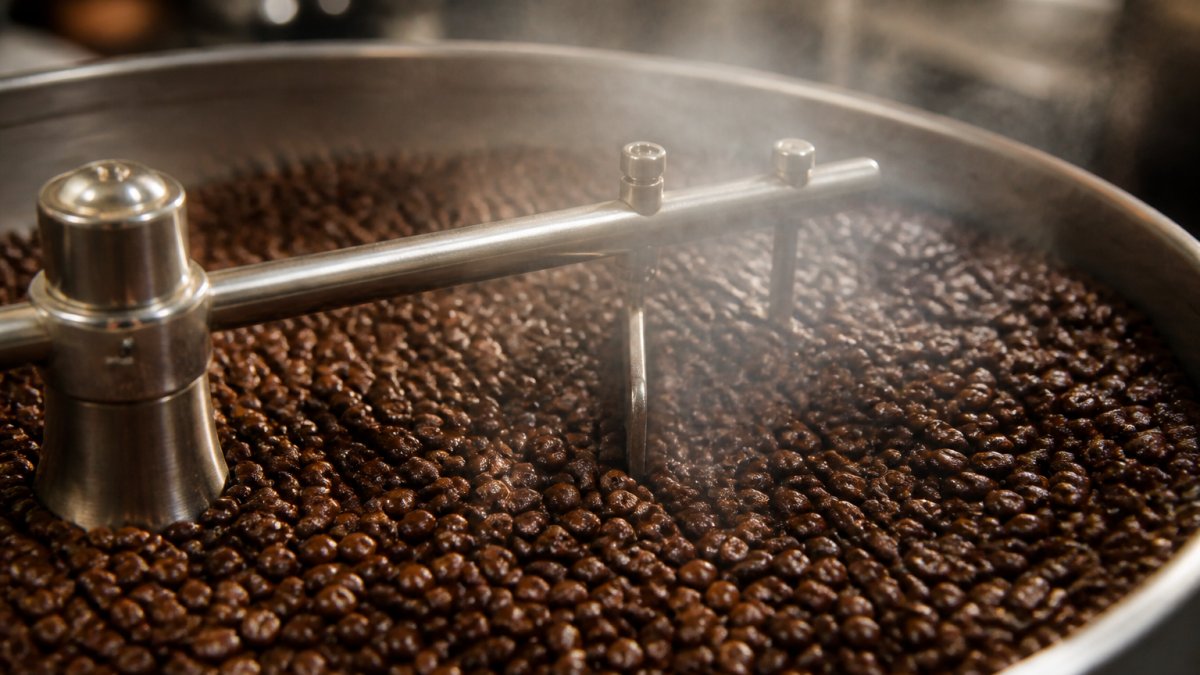
Different roast levels create different flavor profiles:
- Light roasts preserve origin flavors and acidity. You taste the terroir (where the beans grew) more clearly. The beans are denser and harder.
- Medium roasts balance origin character with roasting flavors. They're smooth and versatile. This is where many specialty coffees shine.
- Dark roasts emphasize bold, roasted flavors like chocolate, caramel, and spice. Origin flavors fade. The beans are oily and less dense.
The roasting process also creates carbon dioxide inside the bean. This gas needs to escape after roasting, a process called degassing. For the first 24-48 hours after roasting, the beans are actively releasing CO2. This affects how they extract during brewing.
Fresh roasted coffee has more volatile aromatic compounds because the roasting process just created them. These compounds give coffee its complexity and aroma. The moment the beans cool, they begin oxidizing and breaking down. That's why timing matters so much.
The best window to brew fresh roasted coffee is 5-14 days after roasting, depending on roast level. Light roasts need more rest time to degas. Dark roasts can be brewed sooner. Brewing too soon means over-extraction from residual CO2. Brewing too late means you've lost too many flavor compounds.
Why Coffee Freshness Declines After Roasting
Coffee freshness declines because of four things: oxidation, moisture loss, CO2 escape, and light exposure.
Oxidation happens when oxygen in the air reacts with the coffee oils and compounds. This creates stale flavors and bitterness.
Moisture loss occurs as the beans sit. Fresh roasted beans contain some residual moisture from the roasting process.
CO2 escape is the degassing we mentioned. While some CO2 needs to escape for good extraction, too much loss means you lose aromatic compounds along with it.
Light exposure breaks down the remaining flavor compounds. UV light is especially damaging. This is why specialty coffee comes in bags with one-way valves and opaque material, not clear containers.
The combination of these factors means coffee has a freshness window. Peak flavor typically lasts 2-4 weeks after roasting, depending on storage conditions and roast level.
Dark roasts decline more slowly than light roasts because they have fewer delicate flavor compounds to lose. But all coffee degrades.
How to Tell If Coffee Beans Are Fresh
The most reliable way to tell if coffee beans are fresh is to check the roast date. A printed roast date on the bag tells you exactly when the beans were roasted. If there's no roast date, the coffee is probably old.
Here's what to look for:
- Roast date printed on the bag, This is the gold standard. You know exactly how old the beans are.
- Glossy or oily appearance, Freshly roasted beans often have visible oils on the surface, especially dark roasts. This indicates the roasting is recent.
- Strong aroma when you open the bag, Fresh beans smell vibrant and complex. Old beans smell flat and one-dimensional.
- Consistent color, Fresh roasted beans have even color throughout. Inconsistent color suggests uneven roasting or age.
- Beans that are firm, not brittle, Fresh beans have some flexibility. Very old beans crack easily when you bite them.
The roast date test is the only objective measure. Everything else is subjective. If a coffee bag doesn't have a roast date, ask the roaster. Reputable roasters are transparent about when they roasted the beans.
God's Country Coffee Co. includes the roast date on every bag. We roast to order and ship quickly, so your beans arrive within days of roasting. You know exactly what you're getting.
How Long Coffee Beans Stay Fresh After Roasting
Coffee freshness follows a predictable timeline after roasting.
Days 1-3 after roasting: The beans are still actively degassing. CO2 is escaping rapidly.
Days 5-14 after roasting: This is peak freshness for most coffees. The beans have degassed enough for smooth extraction, but all the flavor compounds are still present.
Days 14-30 after roasting: The coffee is still good. Flavor is slightly muted compared to peak freshness, but most people won't notice a dramatic difference.
Days 30-60 after roasting: Flavor noticeably declines. The coffee tastes flatter and less complex. It's still drinkable, but you're losing the qualities that made it special.
Beyond 60 days: The coffee is stale. Flavor is dull. Aroma is weak. It tastes like generic supermarket coffee.
This timeline varies based on storage conditions. Beans stored in an airtight container away from light stay fresher longer.
Roast level also affects the timeline. Dark roasts hold flavor slightly longer than light roasts because they have fewer delicate compounds to lose. But the difference is small.
How to Store Freshly Roasted Coffee Beans
Proper storage extends the freshness window. Here's what works:
Single Origin Favorites Sample Pack →
Use an airtight container with a one-way valve. The valve lets CO2 escape without letting oxygen in. This is the industry standard for a reason. It works.
Keep the container in a cool, dark place. Heat, light, and oxygen are the enemies. A pantry or cupboard away from sunlight is ideal.
Avoid clear containers. You might like seeing your beans, but light breaks down flavor compounds. Opaque containers are better.
Don't transfer beans between containers. Each time you open a new container, you expose the beans to oxygen. Keep them in the original bag or container as much as possible.
Buy whole beans, not ground. Ground coffee has much more surface area exposed to oxygen. It degrades faster. Grind just before brewing.
Grind just before brewing. Ground coffee loses aroma and flavor within minutes. Whole beans stay fresh much longer. If you must grind ahead, use an airtight container and grind as close to brewing time as possible.
The bottom line: store whole beans in an airtight container in a cool, dark place. That's it. This simple approach keeps your coffee fresh for weeks.
Fresh Coffee Beans vs Stale Coffee Beans: The Real Difference
The difference between fresh and stale coffee is dramatic when you taste them side by side.
Fresh roasted coffee has complexity. You taste multiple flavors: sweetness, fruit notes, chocolate, spice. The aroma is vibrant when you open the bag.
Stale coffee tastes flat. You get one or two dull flavors, usually bitterness. The aroma is weak. The taste is thin and one-dimensional.
The difference comes down to volatile aromatic compounds. Fresh beans have them. Stale beans don't. These compounds create the complexity, aroma, and natural sweetness you taste.
Here's a practical test: brew two cups side by side. One from beans roasted last week. One from beans roasted two months ago.
This is why fresh roasted coffee costs more than supermarket coffee. Supermarket coffee is often months old by the time you buy it.
Most people have never tasted truly fresh coffee. They've only tasted old coffee from supermarkets. Once you try fresh roasted coffee, the difference is impossible to ignore.
Brewing Fresh Roasted Coffee for Maximum Flavor
Fresh roasted coffee needs slightly different brewing than old coffee. The key is managing the degassing and extraction.
Wait 5-14 days after roasting before brewing. The beans need time to degas. Brewing too soon means sour, thin coffee from excess CO2. Waiting too long means you lose flavor.
Use the right grind size for your brew method:
- Espresso, Very fine grind. Extraction time is 25-30 seconds. Fresh beans may pull slightly faster due to residual CO2.
- Pour-over, Medium-fine grind. Extraction time is 3-4 minutes. Fresh beans extract cleanly and brightly.
- French press, Coarse grind. Steep for 4 minutes. Fresh beans produce a full-bodied cup with good clarity.
- AeroPress, Fine grind. Extraction time is 1-2 minutes. Fresh beans shine here because the short contact time preserves delicate flavors.
Use fresh water. Old water affects taste. Use filtered water if your tap water is heavily chlorinated.
Use the right water temperature. 195-205°F is ideal for most fresh roasted coffee.
Grind just before brewing. Ground coffee loses aroma within minutes. Whole beans stay fresh for weeks.
Use the right ratio. Most coffee is best at 1:16 (one part coffee to 16 parts water). Adjust to taste, but start here.
Fresh roasted coffee rewards good technique. The flavor complexity is only there if you extract it properly. Stale coffee is forgiving because there's less flavor to extract.
If you're new to brewing fresh roasted coffee, start with a pour-over or AeroPress. These methods are forgiving and highlight the flavor complexity of fresh beans. Espresso requires more skill to extract properly. French press is harder to dial in with fresh beans because the residual CO2 can create channeling.
Fresh roasted coffee tastes better because the flavor compounds created during roasting are still vibrant. Every bag includes a roast date and one-way valve packaging to keep the beans fresh. Find Your Perfect Roast and experience the difference fresh roasted coffee makes.

Frequently Asked Questions
Why does freshly roasted coffee taste different from older coffee?
Fresh roasted coffee contains volatile aromatic compounds that peak within days of roasting, then gradually break down through oxidation and degassing. These compounds create the complex flavor notes, bright acidity, and pronounced aroma that define specialty coffee. Older coffee loses these compounds, resulting in a flat, muted taste. The difference is most noticeable in the first two weeks after roasting, when flavor complexity is at its height.
How long should coffee rest after roasting before brewing?
Most fresh roasted coffee benefits from 12-24 hours of rest after roasting to allow excess carbon dioxide to escape, which improves extraction consistency. For espresso, a 24-48 hour rest often yields better results. Light roasts reach peak flavor within 3-7 days, while dark roasts can remain excellent for 2-3 weeks. The exact timeline depends on your brewing method and personal preference, but brewing too soon can result in uneven extraction and sour notes.
How can you tell if coffee beans are fresh?
Fresh beans have a glossy, oily surface (especially dark roasts), a strong aroma when opened, and visible CO2 bubbles when you pour hot water over them. Check the roast date on the packaging, beans roasted within the last two weeks are ideal. Stale beans appear dull and dry, smell faint or musty, and don't produce the characteristic bloom when brewed. If there's no roast date listed, the coffee is likely old stock from a supermarket or distributor.
Does roast level affect how long coffee stays fresh?
Yes. Light roasts lose flavor compounds faster, peaking within 5-10 days of roasting. Dark roasts can remain flavorful for 2-3 weeks. Medium roasts fall in between, staying optimal for 1-2 weeks. Regardless of roast level, proper storage in an airtight container away from heat and light preserves freshness longer than exposure to air, moisture, or sunlight.